Young people are shaped by the experiences and relationships around them, especially during their formative years. They learn by observing the adults and peers in their lives and by responding to the opportunities available to them. When surrounded by encouragement, stability, and positive examples, children are more likely to develop confidence, healthy coping skills, and a strong sense of purpose. When those supports are inconsistent or limited, young people may struggle to navigate challenges constructively.
“Many of the young people we serve have grown up facing significant challenges — including limited access to consistent supports, stable environments, or opportunities in their communities,” says Helen M. Hulings, Executive Director of The William George Agency for Children’s Services (WGA). “Those circumstances can influence a young person’s social and emotional development, sense of identity, and academic progress. When youth arrive on our campus, our first priority is to provide structure, clear expectations, and steady guidance, delivered with consistency and care.”
“Setting expectations helps establish boundaries, and when consistently followed, it builds trust,” says Theresa Thomas, a Manager and Independent Living Skills (ILS) Coordinator at WGA. ILS workers encourage youth to learn and adopt healthy daily living behaviors so that they can function autonomously when in the community, to the extent each is able. They teach youth practical skills in such areas as meal preparation, money management, hygiene, safety, and communication.
Thomas has worked at WGA for nearly three decades.
“I came here thinking I’d be here for six months,” said Thomas. “I’d heard rumors in the community back then that this was where the ‘bad’ kids go. But when I got here, what I experienced was very different. No one is born ‘bad’. In time, I understood that some youth aren’t committed to change and just go through the motions, while others work really hard to turn their lives and prospects around. In either case, we continue to sow seeds of change every day.”
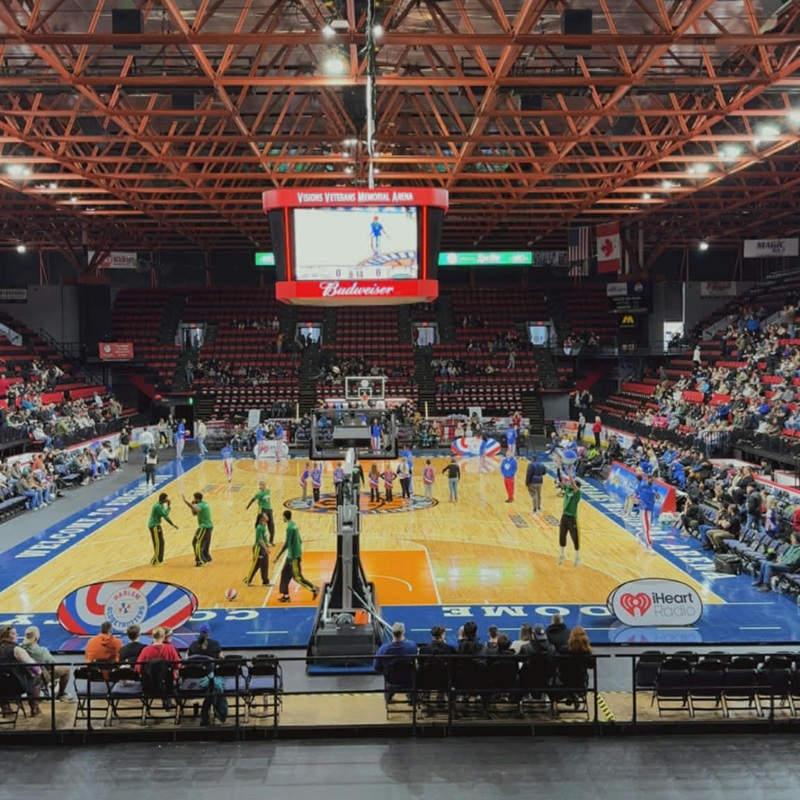
Today, Thomas manages the Pathways to Independence Program at WGA, which specializes in helping youth with emotional and intellectual disabilities reach their personal goals. As part of her job, she looks for activities that connect young people with the community and provide opportunities to practice the skills they have learned. Twelve years ago, she helped establish WGA’s annual Walk-A-Thon for struggling families in the Adopt-A-Family program of the Salvation Army Ithaca Corps. This past holiday, youth walked 3 miles and raised enough money to support 7 local families, including 14 children. Other recent activities include The Rock Orchestra concert in Ithaca, a Cornell University hockey game at Lynah Rink, and a trip to see the Harlem Globetrotters’ 100 Year World Tour in Binghamton.
“It’s wonderful to see the kids take and apply what they’re learning here and be successful in the community, especially through special events like the Globetrotters’ tour. The experience was entertaining and also reinforced the idea that skills can be developed with practice and focus,” says Thomas. “Their lives are hard. We’ve expanded their horizons to know the possibilities, and they regularly show us that they can meet expectations and have fun doing it.”
Kera Simmons is another ILS coordinator who predominantly works with youth in the STRIVE program. STRIVE is a therapeutic program for boys who have experienced a high degree of complex trauma and have struggled to succeed in community-based environments and services.
Simmons recently coordinated a co-ed game night on campus that was attended by youth from multiple residences.
“Co-ed events are great because they give space for practicing appropriate interactions. Staff set expectations up front and are present to model pro-social behavior and offer correction, if needed. Kids learn to respect the space and each other,” says Simmons.
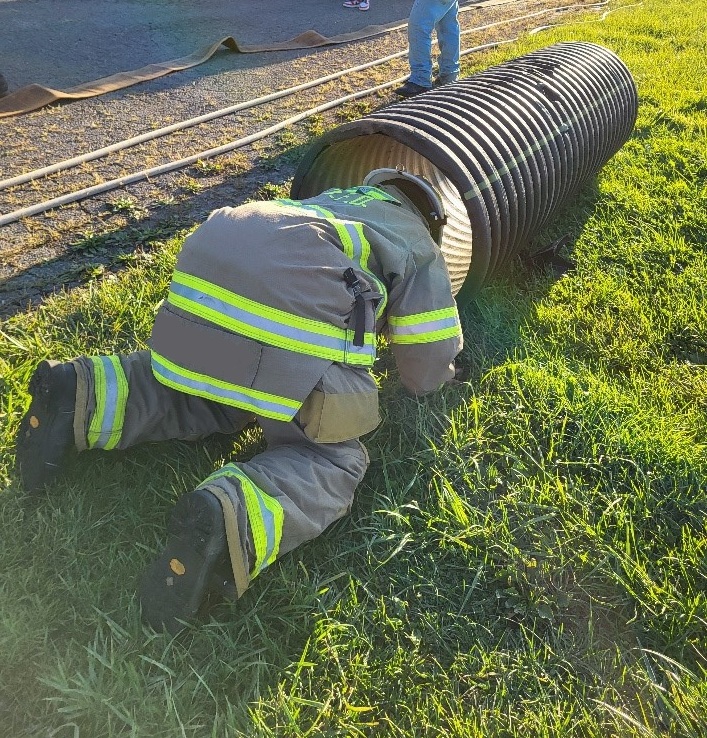
Firefighter For A Day is another activity Simmons has coordinated several times. The event has attracted dozens of interested youth and has brought seasoned firefighters and EMTs on-site to teach them about fire safety and emergency response through simulated exercises. Youth learn from EMT demonstrations and get to put on fire gear and complete timed drills and crawls. Most importantly, they learn the importance of teamwork, communication, good judgment, and remaining calm under stress.